
Lord Pencilton on: The Noble Art of Analogue Play
My esteemed readers of the ton, rejoice with me - for a most unexpected miracle is unfolding across London’s nurseries and drawing rooms. Children, those sprightly creatures of boundless curiosity, are turning away from screens and rediscovering the delights of analogue play.
Yes, board games, puzzles, and role‑play kitchens - the very amusements that once entertained a young Lord Pencilton himself - are enjoying a renaissance. And this author could not be more delighted.
Read on to discover why this resurgence is a massive boost for parents wishing to sit their children for the 4+ assessments!
🎲 Board Games: A Civilised Clash of Wits
There is something wonderfully dignified about a board game. The gentle roll of dice. The strategic placement of a counter. The rising tension as one approaches victory, only to be undone by a sibling’s suspiciously fortunate move.
And it seems the ton agrees. Sales of traditional games and puzzles have risen steadily, with the category now accounting for nearly half of all traditional toy sales worldwide - proof that families are craving connection over competition with algorithms.
A young Lord Pencilton honed many a life skill this way - including the ability to lose gracefully, a trait some adults in the ton have yet to master.
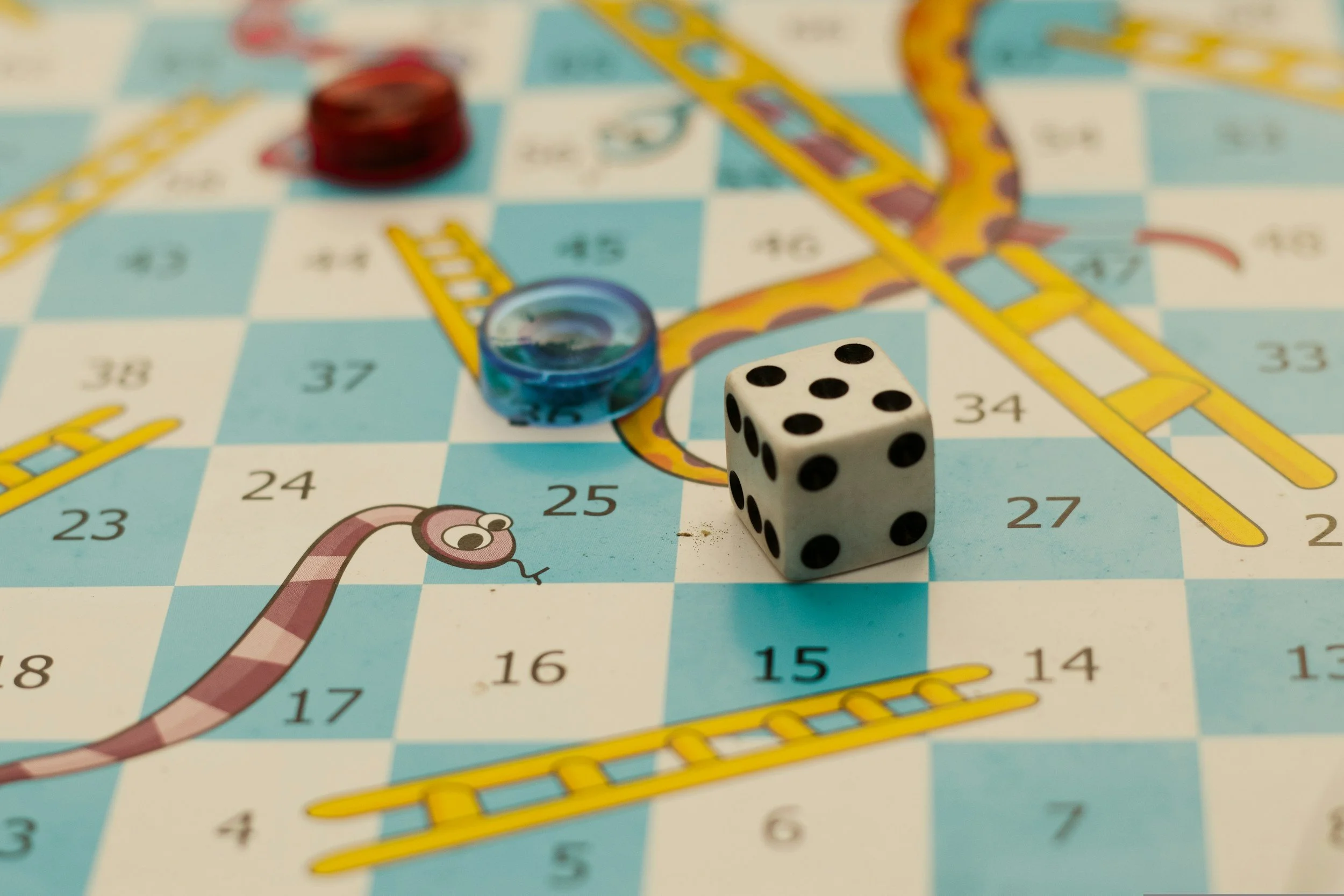
Children can learn many important skills from the humble Snakes & Ladders.
🧩 Puzzles: Triumphs of Quiet Concentration
In an age where attention spans flicker like candle flames in a draughty ballroom, puzzles stand as heroic relics of focus and perseverance.
Piece by piece, children learn:
Patience
Spatial reasoning
Fine motor skills
Visual memory
The joy of delayed gratification
And when that final piece clicks into place, the triumph is glorious. It is no wonder, then, that puzzle sales have climbed in recent years - a gentle rebellion against overstimulation.
Start off small - puzzles with 4-8 pieces, then teach the skills. Look for the corner pieces, keep checking the picture etc. Then, when they have mastered these, you can move on to puzzles with a greater number of pieces.
🍳 Role‑Play Kitchens: Where Imagination Simmereth Gently
Ah, the role‑play kitchen - a kingdom of wooden spoons, felt vegetables, and pots that clatter with theatrical flair.
These miniature culinary realms offer children:
Social play
Language development
Creativity
Independence
And parents are embracing them wholeheartedly. Preschool toys - including role‑play sets - now form one of the strongest‑growing segments of the UK toy market. A most encouraging trend, indeed.
Lord Pencilton himself once presided over a toy kitchen empire, producing imaginary feasts of such grandeur that the household staff applauded politely (and with only mild confusion).
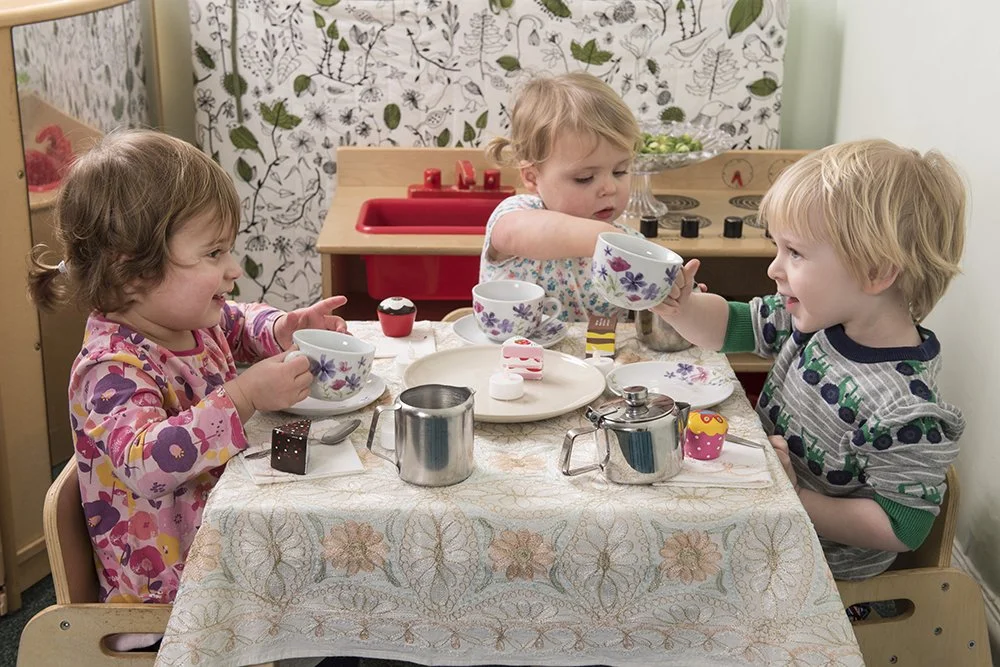
Role-play kitchens and home corners help to develop social and language skills.
🌿 Why Analogue Play Matters
These tools - tactile, simple, gloriously unplugged -= offer children something rare and precious: a moment of calm in a world of relentless stimulation.
They nurture:
Imagination
Social connection
Emotional regulation
Deep focus
Joy without digital dependency
And while the ton may rejoice that screens are set aside only temporarily, even a short reprieve is worth celebrating.
It is these very skills and play resources that can most often be seen inside the 4+ assessment room. They help the children to show off their skills and knowledge whether it be through the role-play area, the puzzles spread out on a table or the wooden blocks so carefully scattered on the carpet. And so it is most important that you keep your little ones familiar with these toys as they will no doubt be encountering them in the assessment classroom. Another reason why online 4+ prep can lack the ‘whole’ experience!
🎩✏️ Lord Pencilton’s Final Word
Let us champion these analogue delights. Let us place board games proudly on coffee tables, scatter puzzles across playrooms, and encourage role‑play kitchens to clang and clatter with creativity.
For in these simple pleasures lies a childhood rich with curiosity, calm, and connection - the very sort of childhood that this author once enjoyed, long before screens began their glittering takeover.
Should the ton desire further guidance on cultivating play‑based childhoods, this author stands ready - quill poised, apron tied, and puzzle piece in hand. Send a message and I will answer.
