
The Truth About Attention Spans:
And why it matters for the tutoring of young children and the 4+ assessment.
A child’s attention span is not a moral measure, a sign of intelligence, or a predictor of future academic glory. It is simply biology. And when parents understand what is typical at 3, 4, and 5yr olds - the entire world of Nursery, Reception, and early tutoring becomes far less mysterious, and far less stressful.
How attention spans actually develop
Young children’s attention grows in small, steady steps. A widely used developmental guide is the “2–5 minute rule”: children can typically focus for 2–5 minutes per year of age on a single, adult‑directed task. That means:
2‑year‑olds: 3–10 minutes
3‑year‑olds: 4–15 minutes
4‑year‑olds: 5–20 minutes
5‑year‑olds: 6–25 minutes
This is sustained attention - sticking with one thing. Their selective attention (filtering distractions) and joint attention (sharing focus with an adult) are still developing too. All three matter in the classroom.
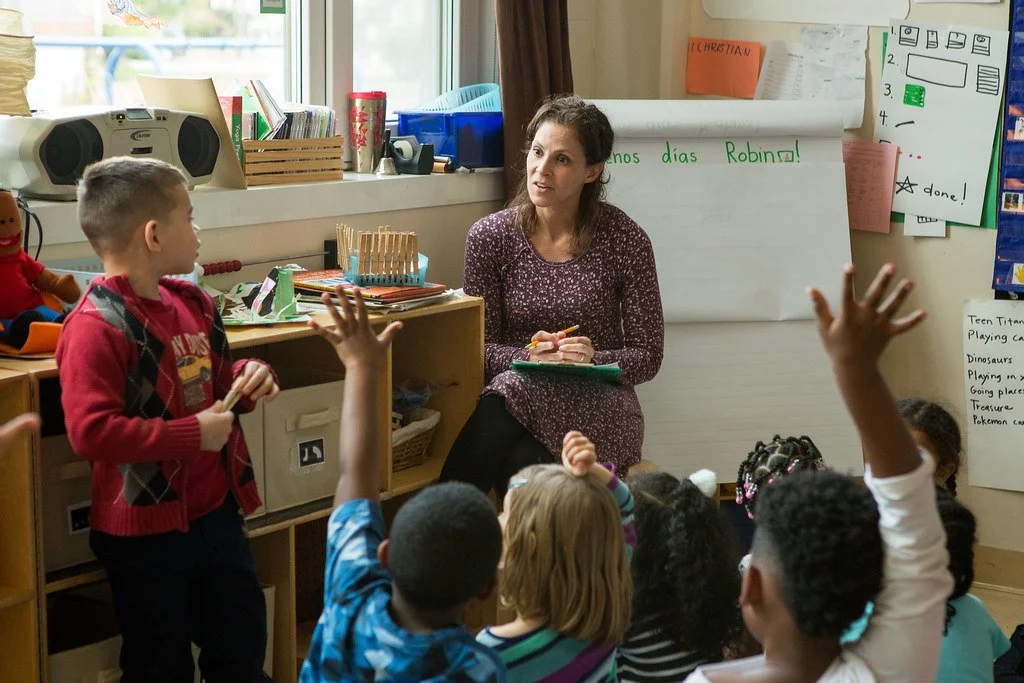
A typical Nursery or Reception lesson only last 20mins.
What this means in Nursery and Reception
Early‑years classrooms are built around short bursts of adult‑led learning, followed by movement, play, and choice. This is not a concession- it is good pedagogy. Teachers know that:
Children learn best when tasks are brief, varied, and hands‑on.
Sitting still is a skill learned gradually, not a prerequisite for learning.
Attention is strengthened through play, not pressure.
A Reception child who drifts after ten minutes is not “behind”; they are behaving exactly as a four‑ or five‑year‑old should. The curriculum is designed around this rhythm.
This is exactly why, in a Reception classroom, adult-directed activities such as a phonics session, maths lesson or group task, do not last longer than 20mins.
How attention spans shape tutoring
Tutoring at a young age (6yrs or under), whether for confidence, enrichment, or 4+/7+ preparation, must respect the limits of a young brain.
In‑person tutoring works best because:
The tutor can use movement, manipulatives, and quick transitions.
The session can comprise of a variety of learning styles and activities to engage the child.
Eye contact, proximity, and shared materials naturally anchor attention.
The tutor can respond instantly to signs of fatigue or overload.
Online tutoring, by contrast, is always trickier for younger children. Screens demand more selective attention, offer fewer sensory anchors, and make it harder for the tutor to redirect gently. Sessions must be shorter, more dynamic, and more play‑based to be effective - not just talking to a screen.
The biggest mistake parents make is assuming that longer sessions equal better progress. In reality, the opposite is true: short, high‑quality bursts build far more learning than long sessions that outlast a child’s natural capacity.
Why understanding attention matters
When parents know what is typical, they stop comparing their child to the mythical “perfectly focused” four‑year‑old. They choose tutors who understand early development. They recognise that wiggling, wandering, and resetting are not misbehaviour -they are part of the learning process.
And most importantly, they protect their child’s joy in learning, which is the foundation for everything that follows.
If you are supporting your child at home, do bear in mind their age and attention span. Little and often always works best to consolidate learning! If you would like to discuss how we can support you and your child with their learning whether it is with 4+ prep, 7+ prep, phonics catch-up, or everything in between - then get in touch.
