
Navigating the Nerves: A Parent’s Guide to the 4+ Assessment Drop-Off
The moment arrives. You’ve ironed the uniform or pressed their regular clothes (whichever was the winner from this additional dilemma), rehearsed polite greetings, and packed a healthy nutritious snack. Yet as you walk your child toward the school gates for their 4+ assessment, your heart thuds louder than their tiny footsteps. You smile, you reassure—but inside, you’re a whirlwind of worry.
Will they speak clearly? Will they remember to say “please”? Will they freeze under pressure or charm the assessors with their storytelling? These questions swirl in the minds of countless parents, especially when the stakes feel high and the process opaque.

The point of handover can be a make or break moment on their mood for the rest of the assessment.
It’s perfectly natural to feel anxious. Even I was on the morning of my son’s assessment - and I’m well versed in all things 4+! After all, this isn’t just a test of your child’s readiness—it can feel like a reflection of your parenting, your planning, your hopes. But here’s the truth: children are wonderfully unpredictable. The same child who refused to put on socks this morning might walk into the assessment and build a tower worthy of architectural acclaim.
To balance your emotions, focus on what you can control. Prepare your child with gentle practice—not drilling, but play. Talk about the experience as an adventure, not a test. And most importantly, remind yourself that this is just one step in a long educational journey.
Things you can do to help the handover transition run smoothly:
Beforehand, explain they will be going to visit the school to see if they like it. You’d be surprised by the number of parents that keep their child in the dark because the feel it will be easier. It wont be!
Say that they will be going to play and show off everything they’ve learnt at nursery while you have a short tour of the school.
Plan to do something after the assessment - this gives them something to aim for beyond the assessment.
If possible, let them take a toy, book or photo with them. This serves as something familiar in a room of strange adults and sounds but also as an ice breaker to help the adults connect with your child. Some schools even suggest this, others not. It’s always worth a try!
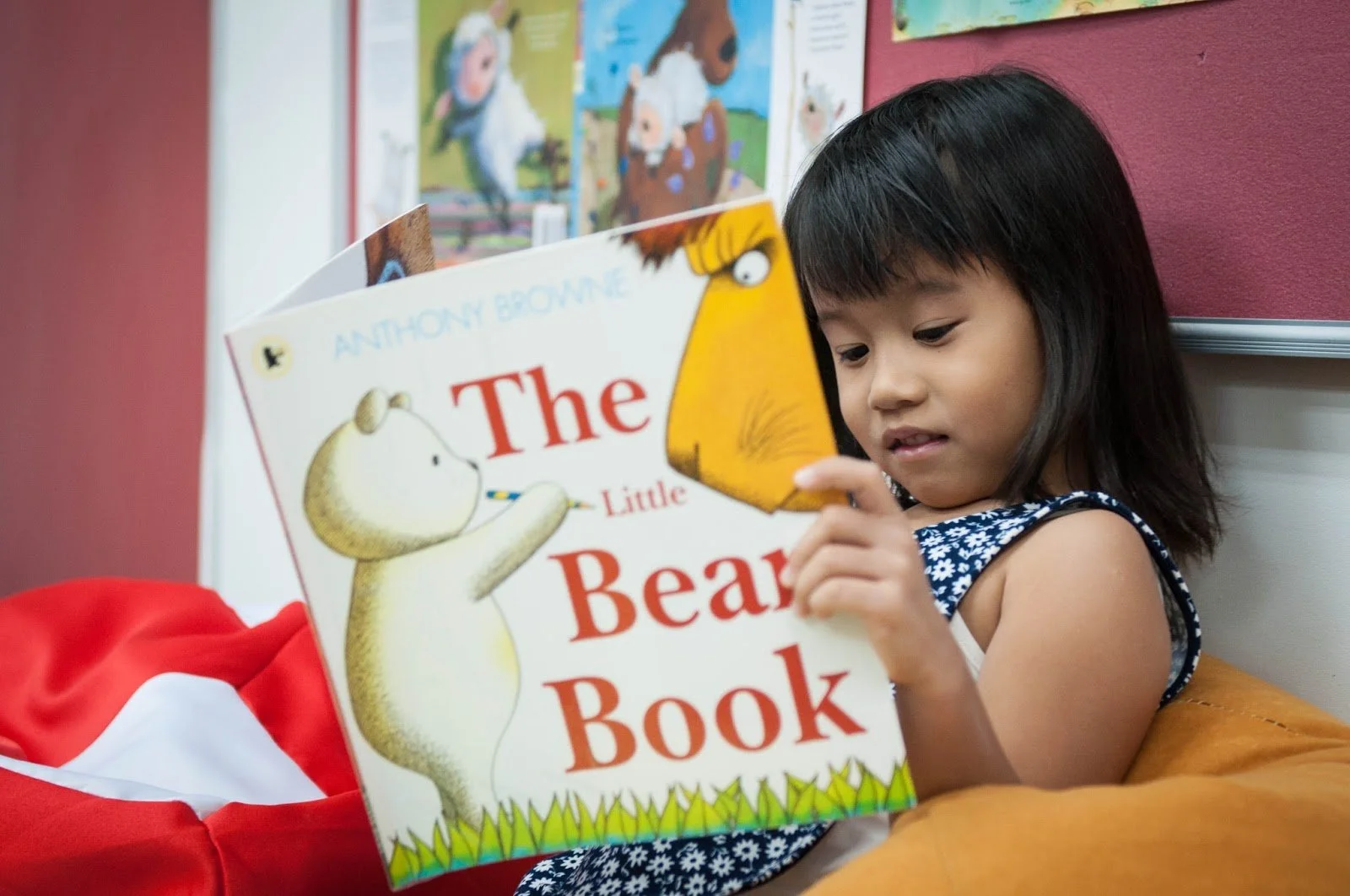
Taking something familiar into the assessment room can really help them to feel less anxious.
In your child’s group, there will probably be some children that are resistant to going with the teachers. This is perfectly normal - we tell them all their life that they shouldn’t talk or go off with strangers and here we are handing them over to one! This is why it is important you give them a context as to why they are there and who the adults are.
There may be tears, from your child or the others in the group, but just be aware that the staff will be very experienced and helping them to settle once they are inside the assessment room. It may be tugging at your heartstrings but, from my own experience of seeing over 3000 children for the 4+ assessments, they do settle in 95% of the cases. For those that don’t, the teacher will bring back your child and you should ask if you can try again if they have some spare slots available (they usually do).
Take a deep breath after drop-off. If there is not a tour of the school while your child is in the assessment roon, go for a walk, grab a coffee, call a friend. Resist the urge to replay every moment. Instead, concentrate on the end goal: finding a school where your child will thrive, be challenged, and feel happy.
Whether they breeze through or stumble slightly, the 4+ assessment is not a verdict—it’s a snapshot. And your child’s story is just beginning.
You’ve done your part. Now let them shine!
If you have any questions about the 4+ drop-off or anything to do with these assessments, comment below or send us a message via the ‘contact us’ tab at the top of the page.
